 +86-15801534258
 info@nebulabio.cn
+86-15801534258
info@nebulabio.cn
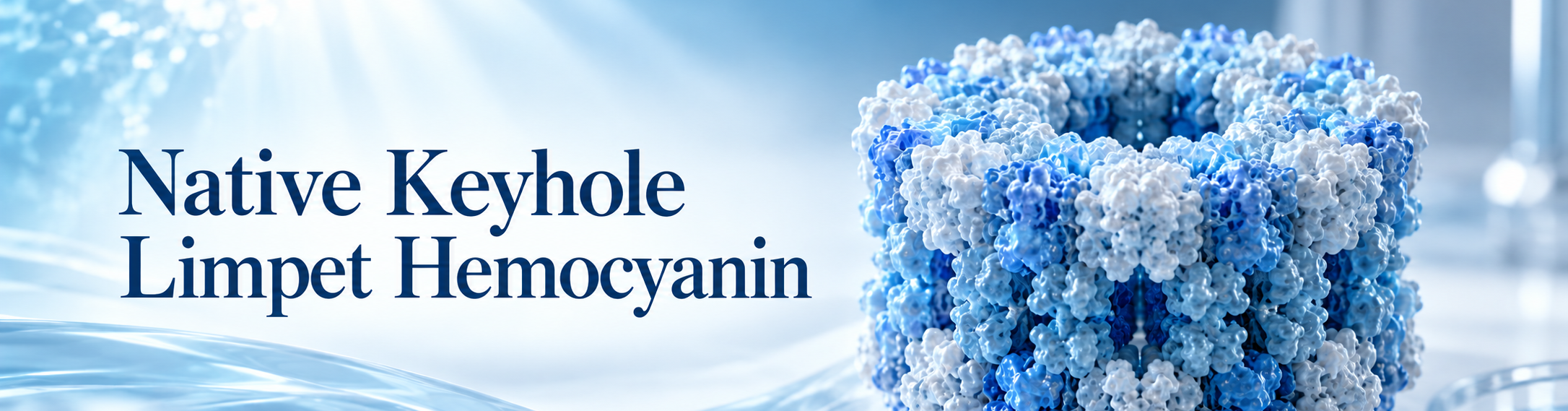
KLH (Keyhole Limpet Hemocyanin) is a giant, copper-containing glycoprotein derived from the marine gastropod Megathura crenulata. In biomedical research, it is primarily utilized as a potent carrier protein and immunostimulant.
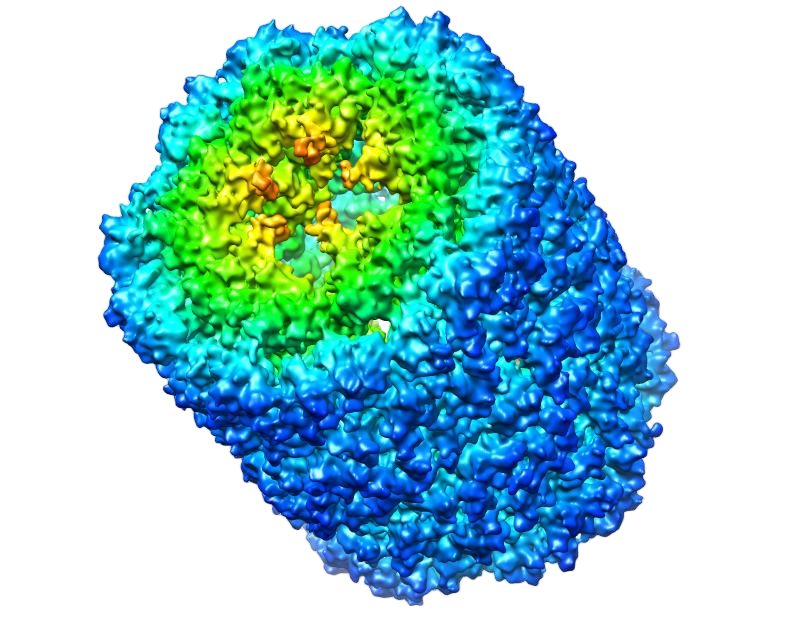
KLH is found in the hemolymph of the keyhole limpet, where its natural function is oxygen transport (it appears blue when oxygenated). It is an extremely large multi-subunit protein; the native oligomer can reach molecular weights of 4.5 to 13 million Daltons, composed of subunits around 350–400 kDa. It exists as two major isoforms, KLH1 and KLH2.
KLH is highly immunogenic in animals and humans but is relatively safe. It is commonly chemically conjugated to small molecules (haptens, such as peptides or drug compounds) to help elicit T-cell-dependent antibody responses. Its advantages include its large size, numerous epitopes, and abundant lysine residues for conjugation; as a non-mammalian protein, it also minimizes false-positive interference in mammalian models.
▋Related products
| Product Name | Catalog# | Molecule Weight |
| NebuSelect™ Native KLH Protein | NBL-230201 | 390 kDa |