
 +86-15801534258
 info@nebulabio.cn
+86-15801534258
info@nebulabio.cn
info@nebulabio.cn
+86-15801534258
info@nebulabio.cn
Proteins are essential biological macromolecules involved in numerous cellular processes, including signal transduction, molecular recognition, immune regulation, enzymatic reactions, and structural organization. With the continuous development of molecular biology and genetic engineering technologies, various protein expression systems (Protein Expression Systems) have been established to produce target proteins for scientific research.
For many eukaryotic proteins, obtaining the correct amino acid sequence alone is not sufficient to ensure proper biological characteristics. Many proteins require additional cellular processing events, including protein folding, disulfide bond formation, glycosylation, and intracellular trafficking, to achieve their native-like structures.
Therefore, selecting an appropriate expression platform is critical for producing structurally complex proteins.
Among different expression platforms, the HEK293 cell expression system (HEK293 Cell Expression System) is one of the most widely used mammalian cell expression systems (Mammalian Cell Expression Systems) in life science research. Due to its human cell origin, efficient expression capability, and complete eukaryotic protein processing machinery, HEK293 cells are commonly used for recombinant protein expression (Recombinant Protein Expression), protein functional studies, receptor analysis, and research involving complex eukaryotic proteins.
What Are HEK293 Cells?
HEK293 cells (Human Embryonic Kidney 293 Cells) are a mammalian cell line originally derived from human embryonic kidney tissue.
Since their establishment, HEK293 cells have become one of the most commonly used host cells in molecular biology and protein research. Due to their human-derived background, HEK293 cells provide a cellular environment that is relatively close to human cells and support various biological processes required for eukaryotic protein production.
Unlike prokaryotic expression hosts, HEK293 cells contain complex cellular structures, including:
● Nucleus;
● Endoplasmic reticulum;
● Golgi apparatus;
● Protein transport and secretion pathways.
These cellular components enable HEK293 cells to perform essential protein maturation processes, including folding, post-translational modification, and secretion.
What Is the HEK293 Cell Expression System?
The HEK293 Cell Expression System is a mammalian protein expression platform that uses HEK293 cells as the host for producing recombinant proteins.
The fundamental principle is based on introducing a gene encoding the target protein into HEK293 cells. The cells then utilize their endogenous transcription and translation machinery to synthesize the desired protein.
Compared with microbial expression systems, HEK293 cells provide a more sophisticated eukaryotic environment that supports complex protein processing.
During recombinant protein production (Recombinant Protein Production), HEK293 cells can support multiple biological processes, including:
● Protein folding;
● Disulfide bond formation;
● Glycosylation;
● Protein secretion;
● Assembly of multi-domain proteins.
These processes are particularly important for proteins that require native-like structures and complex molecular conformations.
Principle of HEK293 Cell Expression
The expression of recombinant proteins in HEK293 cells relies on the natural gene expression mechanisms of mammalian cells.
The process generally involves several biological stages.
First, the DNA sequence encoding the target protein is introduced into HEK293 cells. After entering the cell, the genetic information is transcribed within the nucleus to generate messenger RNA (mRNA).
The mRNA is then transported into the cytoplasm, where ribosomes translate the genetic information into a polypeptide chain.
For many eukaryotic proteins, translation is followed by additional processing steps. Within the endoplasmic reticulum and Golgi apparatus, proteins can undergo:
● Proper folding;
● Disulfide bond formation;
● Glycosylation;
● Protein maturation and transport.
These processes contribute to the formation of functional protein structures.
Characteristics of the HEK293 Cell Expression System
The HEK293 Cell Expression System is a representative mammalian expression platform with advanced eukaryotic protein processing capabilities.
Compared with bacterial expression systems, HEK293 cells contain complex organelles and cellular pathways that support protein folding, disulfide bond formation, and various post-translational modifications. These characteristics allow recombinant proteins produced in HEK293 cells to more closely resemble naturally expressed eukaryotic proteins.
Because of their complete protein processing machinery, HEK293 cells are suitable for expressing a broad range of structurally complex proteins, including receptor proteins, membrane proteins, cytokines, growth factors, extracellular domains, and viral proteins. Many of these proteins require precise three-dimensional structures and specific modifications to maintain their biological characteristics.
In addition, HEK293 cells possess efficient secretion pathways and support important post-translational modifications such as glycosylation. These modifications can influence protein stability, molecular interactions, and structural properties, making HEK293 cells an important platform for eukaryotic protein expression (Eukaryotic Protein Expression) and recombinant protein research.
HEK293 Cell Expression System Compared with CHO Cell Expression System
Both the HEK293 expression system and CHO cell expression system are widely used mammalian cell expression systems.
Although both platforms provide advanced protein processing capabilities, they differ in their biological background and common research applications.
| Feature | HEK293 Cells | CHO Cells |
| Cell origin | Human embryonic kidney cells | Chinese hamster ovary cells |
| Host type | Mammalian cells | Mammalian cells |
| Protein processing capability | Advanced | Advanced |
| Common research applications | Human proteins, receptors, functional studies | Complex proteins, antibodies, glycoproteins |
| Typical protein types | Secreted proteins, membrane proteins, research proteins | Antibodies, Fc fusion proteins, complex glycoproteins |
Due to their human-derived origin, HEK293 cells are frequently used in studies involving human proteins and molecular interactions. CHO cells are widely used for complex recombinant protein expression due to their well-established protein processing characteristics.
HEK293 Cell Expression System Compared with Other Protein Expression Systems
Different protein expression systems provide different biological environments for recombinant protein production.
| Expression System | Host Type | Protein Processing Capability | Common Applications |
| E. coli Expression System | Prokaryotic cells | Limited | Simple proteins and enzymes |
| Yeast Expression System | Eukaryotic microorganisms | Moderate | Selected recombinant proteins |
| Insect Cell Expression System | Eukaryotic cells | Advanced | Viral proteins and membrane proteins |
| HEK293 Cell Expression System | Mammalian cells | Highly advanced | Complex eukaryotic proteins |
Compared with microbial expression platforms, mammalian expression systems provide more complete cellular mechanisms for producing proteins that require complex folding and modification.
Applications of the HEK293 Cell Expression System
● Recombinant Protein Expression
HEK293 cells are commonly used for recombinant protein expression and can produce a variety of human and eukaryotic proteins, including secreted proteins, functional domains, and structural proteins.
● Receptor and Membrane Protein Research
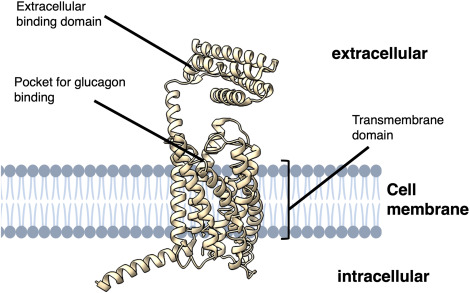
Many membrane proteins and receptors contain complex structures that require a suitable cellular environment for proper folding.
The HEK293 expression system provides a relevant mammalian cellular background for studying receptor proteins and molecular interactions.
● Secreted Protein Research
Many proteins naturally exist outside cells, including cytokines, growth factors, and extracellular protein domains.
HEK293 cells contain functional secretion pathways that support the expression and study of these proteins.
● Viral Protein Research
Because HEK293 cells efficiently express many eukaryotic proteins, they are also widely used in research involving viral structural proteins, antigen-related proteins, and other virus-associated molecules.
Importance of HEK293 Cells in Recombinant Protein Research
The characteristics of a recombinant protein expression platform directly influence the properties of the resulting protein.
The HEK293 cell expression system has become an important tool in protein research due to several key features:
● Human-derived cellular background;
● Complete eukaryotic protein processing mechanisms;
● Support for complex protein folding;
● Capability for post-translational modifications;
● Compatibility with diverse recombinant protein formats.
By selecting appropriate expression platforms according to protein characteristics, researchers can better investigate protein structure, function, and molecular interactions.
The HEK293 Cell Expression System is an important mammalian protein expression platform widely used in modern life science research. With its human-derived cellular background, advanced protein processing capability, and ability to support complex eukaryotic protein expression, HEK293 cells have become a valuable tool for studying recombinant proteins, receptors, secreted proteins, and other biologically important molecules.
| For more information, please contact us at info@nebulabio.cn or +86-15801534258. |